


Inside, you'll find:
Webinar slides and helpful frameworks to support what you've learned in the session.
The "Overwhelm S.O.S". tool, including:
✅ Step-by-step process to clear your head and offload your mental to-do list
✅ ONE simple reframe to help you quickly sort and triage your tasks — and identify where you need to stop, delay, or delegate.
✅ The trick to breaking the cycle of chasing an endless to-do list - shift from “emptying the bucket” to managing the flow.
✅ A realistic weekly planner — that allows for breaks and interruptions
✅ Gentle prompts to protect your energy and focus as you get things done
You’re not overwhelmed because you’re disorganised.
You’re overwhelmed because the demand never stops.
The list refills faster than you clear it. Interruptions fracture your attention every few minutes. Responsibility keeps expanding long after your shift ends.
You leave work, but your mind keeps going - replaying decisions, wondering what you missed, carrying the weight of what couldn’t be done.
This isn’t a resilience problem. It’s sustained cognitive overload inside an overstretched system.
Working faster doesn’t solve it. Staying later doesn’t solve it. Caring more doesn’t solve it. The pressure simply accumulates.
The Overwhelm SOS Toolkit gives you a clear way to regain control when everything feels too much.
Instead of pushing through and hoping the pressure eases, you learn how to step back and see the full picture, so decisions feel grounded rather than reactive.
You begin the day with everything out of your head and in front of you, rather than circling in the background of your mind. When new demands appear, you can see where they fit, what truly needs action now, and what can safely wait.
By the end of the day, there is a plan rather than a sense of unfinished chaos. You leave knowing what has been dealt with, what will happen next, and what is no longer yours to hold.
This isn’t about doing more. It’s about thinking clearly and protecting your capacity within the reality of clinical work.
Because the workload may not slow down, but the weight you carry can.
The SOS guide couldn’t have come at a better time.I felt like I’d fallen into the river and was being swept away… Your simple method helped me focus on the 'big fish', let go of the non-critical tasks, and stay afloat, even as more things kept landing in my river.
- Pharmacist
MEET THE EXPERTS BEHIND THE GUIDE
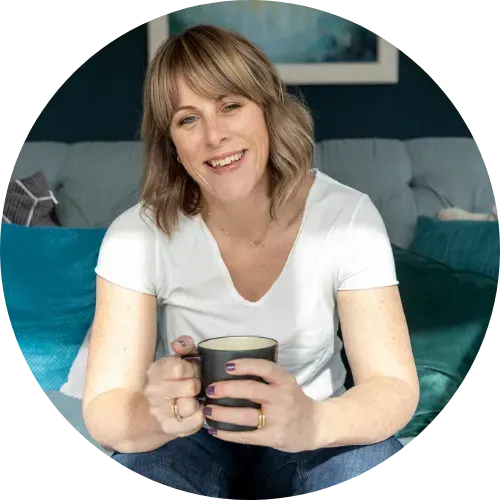
Dr Rachel Morris
Dr Rachel Morris is a former GP, executive coach, and host of the popular You Are Not a Frog podcast.
She’s worked with thousands of healthcare professionals and created the Shapes Toolkit, a neuroscience-based framework created specifically to help doctors cope with stress, lead and manage more effectively, handle challenging conversations and thrive under pressure.
She’s been where you are - and she’s curated tools that work in the real world of medicine.
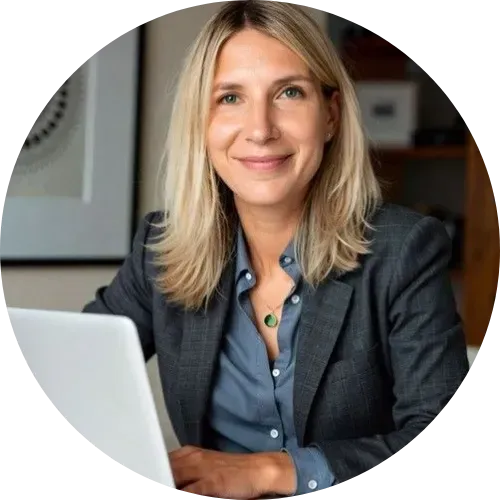
Dr Sarah Coope
Dr Sarah Coope is a former GP with 20 years’ frontline experience and a strong background in clinical leadership, coaching, mediation, and professional skills training.
She specialises in reducing medicolegal and burnout risk by helping clinicians and managers improve communication, mindset, and interpersonal skills.
Sarah has held regional and national leadership roles, including PCN Clinical Director, interim Director of Education at a Royal College, and senior roles with MPS and NHS Resolution.
❤️🩹 A Gentle Disclaimer ❤️🩹
The content we share is for information and inspiration only—it’s not a substitute for professional advice. As doctors, not psychologists, our toolkit acts as a curated source of insights from experience and expert conversations on the You Are Not a Frog podcast.
If you're struggling, please reach out to a qualified professional. Trust your judgment—and if you need extra support, you’ll find links to further resources from other organisations specific to healthcare in the toolkit.